
The Enduring Legacy of Skyrim's Modding Community: A Decade of Player Creativity
When The Elder Scrolls V: Skyrim launched on November 11, 2011, few could have predicted that fourteen years later, it would still command a passionate, creative community producing thousands of modifications monthly. This deep dive explores how user-generated content transformed a single-player RPG into a living, evolving platform that continues to attract new players while keeping veterans engaged through endless possibilities.
The Foundation: Why Skyrim Became a Modding Phenomenon
Bethesda Game Studios didn't just release a game in 2011—they released a canvas. The Creation Engine, while criticized for its technical limitations, offered unprecedented accessibility to aspiring modders. Unlike many contemporary titles that locked down their game files, Skyrim shipped with the Creation Kit, a professional-grade toolset that democratized game development.
The timing proved perfect. By 2011, digital distribution platforms like Steam Workshop and Nexus Mods had matured, providing infrastructure for easy mod discovery and installation. YouTube and Twitch were emerging as platforms where creators could showcase their work, creating viral moments that drew attention to exceptional mods. The convergence of accessible tools, distribution networks, and social media created a perfect storm for community-driven content.
"Skyrim's modding scene represents the most successful example of player creativity extending a game's lifespan. We're not just talking about cosmetic changes—modders have fundamentally reimagined entire game systems, created new landmasses larger than the base game, and built narrative experiences that rival professional DLC." — Dr. Sarah Mitchell, Game Studies Researcher, MIT
The game's fantasy setting also played a crucial role. Medieval fantasy provides familiar archetypes while remaining flexible enough for wild experimentation. Want to add lightsabers? Sure. Prefer a gritty survival experience? Dozens of mods deliver. Interested in transforming Skyrim into a horror game? The community has you covered. This genre flexibility, combined with the game's open-world structure, meant modders could pursue virtually any creative vision.
Perhaps most importantly, Bethesda adopted a hands-off approach that encouraged experimentation. While other publishers aggressively protected their intellectual property, Bethesda embraced fan content, even featuring exceptional mods in official communications. This tacit endorsement signaled to creators that their work was valued, fostering a culture of innovation rather than fear of legal action.
Landmark Mods That Defined an Era
SkyUI: The Interface Revolution
Released in early 2012, SkyUI addressed one of Skyrim's most criticized aspects: its console-optimized interface. The mod completely overhauled inventory management, adding sortable columns, search functionality, and icon categorization. With over 25 million downloads across platforms, SkyUI became the foundation upon which countless other mods built their functionality.
What made SkyUI revolutionary wasn't just its improved usability—it introduced the Mod Configuration Menu (MCM), a standardized framework allowing other mods to add customizable settings. This innovation transformed modding from simple file replacements into sophisticated, user-configurable experiences. Today, MCM integration is considered essential for any serious gameplay mod.
Enderal: Total Conversion Masterpiece
If SkyUI demonstrated technical excellence, Enderal showcased artistic ambition. Developed by SureAI over four years and released in 2016, Enderal is a complete overhaul featuring an entirely new world, storyline, and game mechanics. With 30-100 hours of gameplay, professional voice acting in multiple languages, and an original soundtrack, Enderal rivals commercial RPGs in scope and quality.
The mod's psychological horror narrative and philosophical themes demonstrated that fan content could tackle mature, complex subjects. Its success led to a standalone Steam release in 2019, legitimizing total conversion mods as viable commercial products. Enderal proved that with sufficient dedication, community creators could produce experiences indistinguishable from professional game development.
Beyond Skyrim: Expanding the Universe
Perhaps the most ambitious ongoing project, Beyond Skyrim aims to recreate all of Tamriel's provinces within Skyrim's engine. Teams of hundreds of volunteers work on separate provinces—Cyrodiil, Morrowind, Elsweyr, and others—each representing years of collaborative effort. The project's first major release, Beyond Skyrim: Bruma, launched in 2017 with a landmass comparable to Skyrim's Dragonborn DLC.
Beyond Skyrim exemplifies the organizational sophistication modern modding has achieved. The project employs project managers, quality assurance teams, and specialized departments for writing, level design, and audio production. It operates like a professional game studio, albeit one powered entirely by volunteer passion. This level of coordination would have been unthinkable in earlier modding eras.

Creator Voices: Inside the Modding Community
To understand the human element behind these technical achievements, we spoke with several prominent modders about their motivations, challenges, and perspectives on the community's evolution.
Elianora - Environmental Artist
"I started modding in 2013 because I wanted prettier player homes. What began as simple retextures evolved into fully custom locations with unique assets. The community taught me 3D modeling, texture creation, and level design—skills I now use professionally in game development."
With over 100 mods and 50 million downloads, Elianora represents modders who transitioned from hobbyists to professionals. Her work demonstrates how player creativity can serve as a portfolio, opening doors to industry careers. Several major studios now actively recruit from the modding community, recognizing the practical skills developed through fan content creation.
Enai Siaion - Gameplay Designer
"Skyrim's perk system is functional but uninspired. I wanted to create builds that felt distinct and powerful. Ordinator, my perk overhaul, adds 400+ new perks that completely transform how you play. The feedback loop with users is incredible—they suggest ideas, I implement them, and together we create something neither could achieve alone."
Enai's suite of gameplay mods—Ordinator, Apocalypse, Summermyst—are installed by millions, fundamentally altering Skyrim's mechanical depth. His work illustrates how modders can address perceived design flaws, effectively creating alternate versions of the game tailored to different player preferences. This customization potential is central to Skyrim's longevity.
Arthmoor - Technical Foundation Builder
"The Unofficial Skyrim Patch exists because Bethesda's QA couldn't catch everything. We've fixed over 30,000 bugs—quest breaks, mesh errors, script problems. It's unglamorous work, but essential. Without stability mods, the elaborate mod lists people run would crash constantly."
Arthmoor's contributions highlight an often-overlooked aspect of modding: maintenance and technical infrastructure. While flashy content mods attract attention, foundational mods like USSEP, SKSE (Skyrim Script Extender), and various framework mods enable the entire ecosystem. These unglamorous projects require deep technical knowledge and sustained commitment.
These creators represent different modding philosophies—artistic expression, mechanical refinement, and technical excellence—yet all share common threads: passion for the game, desire to improve player experiences, and commitment to community collaboration. Their stories reveal modding as more than a hobby; it's a form of participatory culture where players become co-creators.

The Economics of Free Labor: Monetization Attempts and Controversies
In April 2015, Valve and Bethesda launched the Steam Workshop's paid mods program, allowing creators to charge for their work. The initiative collapsed within 72 hours amid fierce community backlash. The controversy revealed deep tensions about compensation, ownership, and the nature of fan content.
Critics argued that paid mods would fragment the community, create quality control nightmares, and exploit collaborative work built on freely shared resources. Many mods depend on frameworks created by others—who deserves payment when a mod uses SKSE, SkyUI, and various asset libraries? The revenue split (25% to creators, 75% to Valve and Bethesda) seemed exploitative given that modders provided all labor.
Bethesda's second attempt, the Creation Club launched in 2017, took a different approach. Rather than open marketplace, Creation Club features curated, commissioned content from verified creators. Bethesda pays upfront for development, ensuring quality control and compatibility. While less controversial, Creation Club hasn't achieved mainstream adoption, with most players preferring free mods.
The Donation Model
Many prominent modders now use Patreon, Ko-fi, or PayPal donations to support their work. This voluntary model preserves free access while allowing fans to financially support creators. Top modders can earn $500-$3,000 monthly through donations, though most receive far less. This hybrid approach—free mods with optional support—has become the community's preferred compromise.
The monetization debate highlights a fundamental question: should fan content remain purely passion-driven, or can it become semi-professional work? There's no consensus. Some argue that compensation would improve quality and sustainability; others contend that introducing money corrupts the collaborative spirit that makes modding special. This tension will likely persist as user-generated content becomes increasingly sophisticated.
Technical Evolution: From Simple Retextures to AI Integration
Early Skyrim mods were relatively simple: texture replacements, stat adjustments, and basic scripting. Fourteen years later, the technical sophistication has exploded. Modern mods employ advanced techniques that push the Creation Engine far beyond its original capabilities.
Graphics Overhauls and ENB Presets
ENB (Enhanced Natural Beauty) series injects post-processing effects into Skyrim, adding ambient occlusion, depth of field, volumetric lighting, and color grading. Combined with 4K texture packs and mesh improvements, modded Skyrim can look photorealistic—a stark contrast to the 2011 vanilla experience. These visual overhauls require powerful hardware but demonstrate how community-driven content can modernize aging games.
Dynamic Systems and Emergent Gameplay
Mods like Frostfall (survival mechanics), Hunterborn (hunting overhaul), and Campfire (camping system) add interconnected systems that create emergent gameplay. These mods don't just add content—they fundamentally alter how you interact with the world. Suddenly, weather matters, food is essential, and planning becomes crucial. This systemic depth rivals dedicated survival games.
AI-Assisted Content Creation
Recent developments include AI-generated voice acting, allowing modders to create fully voiced dialogue without hiring actors. While controversial (raising questions about consent and authenticity), this technology democratizes narrative content creation. Similarly, AI upscaling tools like ESRGAN have automated texture improvement, allowing solo modders to achieve results that previously required teams.
The technical trajectory suggests modding will continue evolving. As tools become more sophisticated and accessible, the gap between professional and fan content narrows. This democratization of game development tools has profound implications for the industry's future.
Community Dynamics: Collaboration, Conflict, and Culture
The Skyrim modding community isn't monolithic—it's a complex ecosystem with distinct subcultures, platforms, and social dynamics. Understanding these relationships reveals how user-generated content communities function at scale.
Platform Wars: Nexus vs. Steam Workshop vs. Bethesda.net
Nexus Mods remains the community's heart, hosting the most sophisticated mods and fostering active forums. Steam Workshop offers convenience but limited functionality. Bethesda.net brought modding to consoles but faces restrictions and quality control issues. These platforms serve different audiences, creating fragmented communities with varying expectations and norms.
Mod Theft and Attribution Conflicts
As modding gained popularity, mod theft became prevalent—users reposting others' work without permission, often on platforms with weaker moderation. These conflicts sparked debates about intellectual property in fan content. Can you own a mod built on someone else's game? Most agree that while legal ownership is murky, ethical attribution is essential. The community has developed informal norms around crediting, permissions, and collaboration.
Toxicity and Gatekeeping
Like many online communities, modding spaces struggle with toxicity. New modders face harsh criticism; female creators endure harassment; disagreements escalate into personal attacks. However, the community has also developed support structures—mentorship programs, beginner-friendly tutorials, and moderation policies that combat abuse. The tension between maintaining standards and welcoming newcomers remains ongoing.
Despite conflicts, collaboration remains the norm. Large projects like Beyond Skyrim demonstrate that hundreds of strangers can coordinate effectively toward shared goals. This collaborative capacity—organizing complex projects without formal hierarchy or compensation—represents one of modding's most remarkable achievements.
The Business Impact: How Mods Sell Games
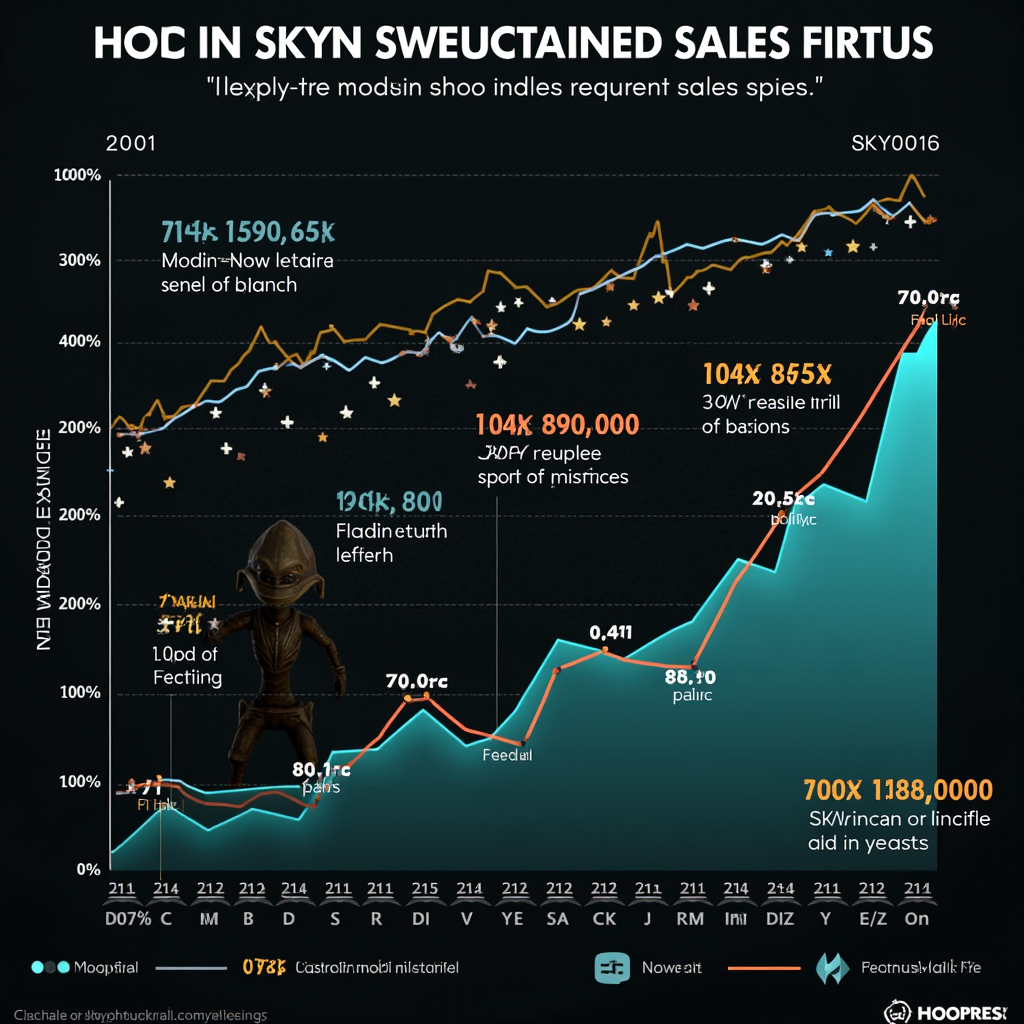
Skyrim has sold over 60 million copies across multiple platforms and re-releases. While the base game's quality deserves credit, modding undeniably contributed to sustained sales. Bethesda has effectively monetized user-generated content without directly charging for it—each new platform release attracts modders and players alike.
The Special Edition (2016) and Anniversary Edition (2021) re-releases specifically targeted the modding community with improved stability and built-in mod support. These versions sold millions of copies to players who already owned the original—they were essentially paying for better modding infrastructure. This strategy demonstrates how publishers can profit from fan content ecosystems without directly monetizing individual mods.
The Modding Premium
Industry analysts estimate that modding extends Skyrim's sales lifecycle by 5-7 years beyond typical AAA titles. The "modding premium"—additional revenue attributable to user-generated content—likely exceeds $500 million across all platforms. This economic impact hasn't gone unnoticed; publishers increasingly view mod support as essential for long-term profitability.
The success has influenced industry practices. Games like Fallout 4, The Witcher 3, and Cyberpunk 2077 launched with robust modding tools, recognizing that community-driven content extends relevance and drives sales. The modding ecosystem has become a competitive advantage, with players factoring mod support into purchasing decisions.
Looking Forward: The Future of Player Creativity
As we approach Skyrim's fifteenth anniversary in 2026, the modding community shows no signs of slowing. Major projects remain in development, new creators continue emerging, and technological capabilities expand. What does the future hold for user-generated content in gaming?
The Elder Scrolls VI and Lessons Learned
Bethesda's next Elder Scrolls installment faces enormous expectations. The modding community will scrutinize the Creation Engine 2's capabilities, demanding tools at least as powerful as Skyrim's. Any restrictions or limitations will face fierce backlash. Bethesda must balance technical advancement with modding accessibility—a challenging proposition given modern game engines' complexity.
Cross-Game Modding Ecosystems
Emerging platforms like Mod.io and Overwolf aim to create unified modding ecosystems across multiple games. Rather than fragmented communities per title, these services envision interconnected creator networks where skills and assets transfer between games. If successful, this could professionalize modding further, creating career paths for talented creators.
Blockchain and NFTs: Opportunity or Threat?
Some companies propose blockchain-based mod marketplaces with NFT ownership. The modding community has largely rejected these initiatives, viewing them as unnecessary financialization that contradicts collaborative values. However, the debate continues, with proponents arguing that blockchain could solve attribution and compensation challenges. The tension between traditional modding culture and emerging monetization models will likely intensify.
AI as Collaborator and Competitor
Artificial intelligence will increasingly influence modding. AI-assisted content generation could democratize creation, allowing non-technical users to produce sophisticated mods. However, this raises questions about authorship, quality, and the value of human creativity. Will AI-generated content flood platforms, making human-created mods harder to discover? Or will AI become a tool that enhances rather than replaces human creativity?
Conclusion: The Enduring Power of Player Creativity
Skyrim's modding community represents more than technical achievement or economic success—it demonstrates the transformative potential of player creativity. When developers provide tools and trust their communities, players don't just consume content; they become co-creators, extending and reimagining game universes in ways no studio could achieve alone.
The lessons extend beyond gaming. Skyrim's modding ecosystem exemplifies participatory culture—communities organizing around shared passion, collaborating across borders, and creating value without traditional economic incentives. This model challenges assumptions about creativity, ownership, and the relationship between creators and audiences.
Fourteen years after launch, Skyrim remains vibrant not despite its age but because of how the community has embraced and transformed it. Every mod represents someone's vision, effort, and love for the game. Collectively, these contributions have created something far greater than the original—a living, evolving world shaped by millions of players.
As the gaming industry evolves, Skyrim's modding legacy offers a blueprint for sustainable engagement. Games that empower player creativity don't just sell copies—they build communities, inspire careers, and create cultural artifacts that transcend their original medium. That's the true power of user-generated content, and it's a lesson the industry is still learning.
The next time you install a Skyrim mod, remember: you're not just downloading content. You're participating in one of gaming's most remarkable collaborative achievements—a testament to what players can create when given the tools, freedom, and trust to reimagine the worlds they love.